



What Diesel Export Uncertainty Means for Supply Chain and Inventory Planning


By Tasos Angelopoulos – CEO at StockIQ Technologies
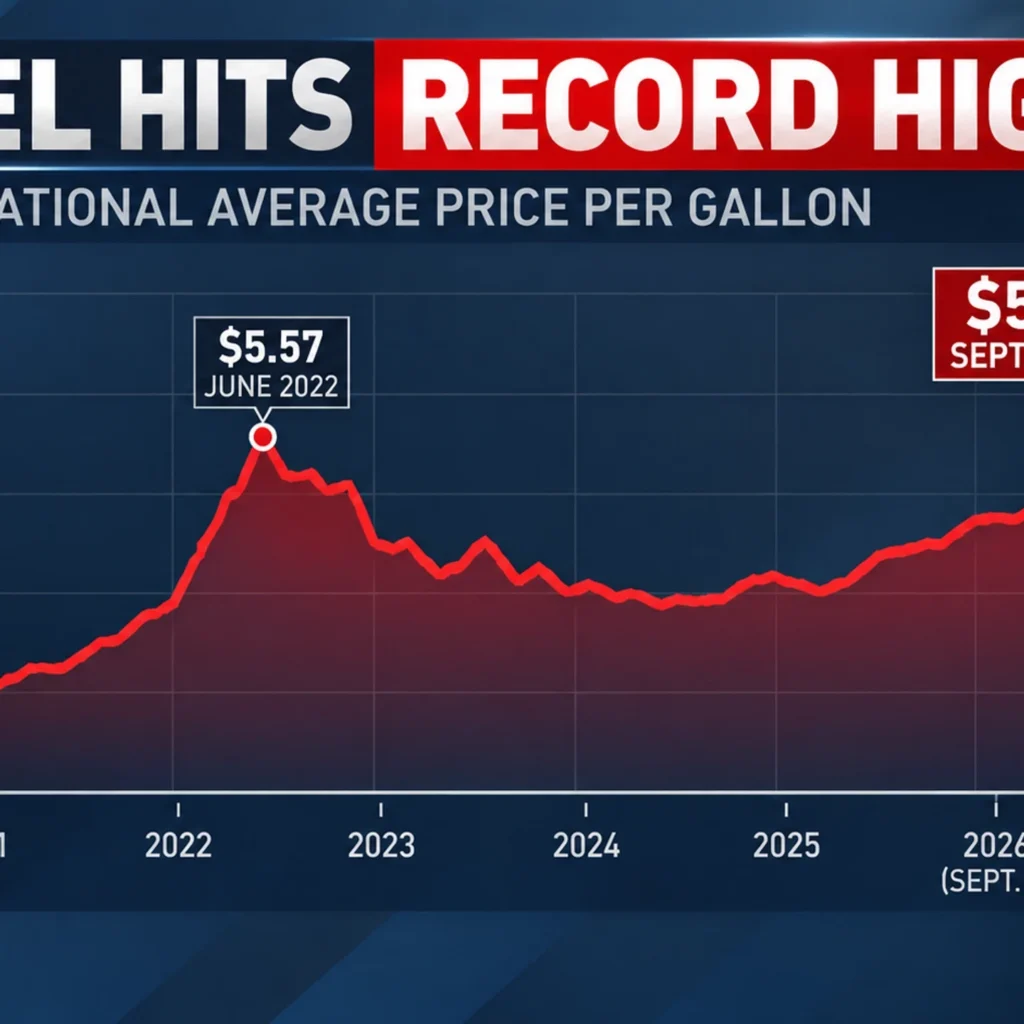
Geopolitical conflicts can create supply chain risks well beyond the countries directly involved, particularly when export bans or other trade restrictions are being considered at the highest levels of government. That risk is coming into focus as diesel prices rise amid ongoing conflicts in the Middle East and the administration weighs next steps such as a potential Diesel Export Ban.
For manufacturers and distributors of all types of businesses, diesel is more than just a logistics cost. It is a necessary component that can impact nearly every part of the supply chain, including freight costs, pricing, transportation times and any other inventory decisions. In other words, changes in diesel pricing will ultimately affect the cost of getting products to consumers.
As a result of diesel prices continuing to rise amid ongoing conflicts in the Middle East, supply chain leaders were paying close attention to a potential Diesel Export Ban the administration was weighing. While the ban was ruled out, it still points to the importance of planning for multiple scenarios and having strategies in place, regardless of what the ultimate decision turns out to be. But how can companies do that?
Look Beyond the Price of Diesel
One of the biggest mistakes businesses can make is treating a disruption as an isolated issue. For example, the fuel volatility crisis was not only an issue for transportation. A change in diesel prices can impact the entire supply chain.
This impact would not only lead to short-term consequences, but long-term outcomes as well. For example, a company may not purchase diesel directly or manage its own transportation operation, but its suppliers will still operate within the current, unpredictable fuel market, impacting the overall cost of the operation.
The same principle applies to any alternative options. If a supplier becomes too expensive to afford, simply switching to another vendor will not automatically solve the problem because a different supplier could mean longer product transportation times, higher freight costs, potential minimum order requirements or other negative tradeoffs.
Having full visibility into the performance and minimum requirements of all providers is crucial to making the right call in a volatile, high-pressure context. Access to the right data and forecasts supports quick decision-making without sacrificing the efficiency of the overall supply chain program.
Don’t Plan for One Outcome
One of the most natural responses to uncertainty is to try to plan for the likeliest outcome. The problem with that strategy, outside of the fact that a business might be locked into a specific outcome, is that supply chains rarely change in just one way.
Even when a potential policy change appears likely, its timing and ultimate impact remain uncertain, making it risky for businesses to base their plans on a single expected outcome.
Rather than trying to predict exactly what will happen, supply chain leaders should understand how their business would respond across all possible scenarios and have access to technology that can help them model different outcomes. The goal is not to predict the future perfectly; it’s about creating a business environment that can respond when conditions change rapidly.
Don’t Treat Inventory as a Simple Hedge
Inventory can provide a safety net when transportation costs rise, but more product on hand is not always better. Additional inventory can create the risk of excess stock if the expected disruption, in this case a Diesel export ban, never materializes.
The right approach accounts and addresses all parts of the supply chain, such as customer demand, lead times and the overall cost of a stockout. A product in high demand with a long replenishment timetable may justify additional inventory while other products with more unpredictable demand may not. In other words, the product itself plays a key role in any supply chain modifications a company is considering.
Businesses therefore need full visibility into the overall performance of each supplier, in addition to current demand, transportation costs and inventory levels to help calculate their full exposure. AI can help in this regard by identifying risks and modeling potential outcomes more quickly, but supply-chain leaders still need to have the final say when weighing the operational and financial tradeoffs.
Ultimately, the goal is not to predict what happens next, but to give supply chain leaders the knowledge, data, context and flexibility to quickly respond when conditions change. When businesses have that knowledge, they can make the necessary adjustments based on each situation in front of them rather than overreact to a single price increase or policy change.