
Tim Cook Built Apple’s Supply Chain. Now It Has to Exist Without Him.

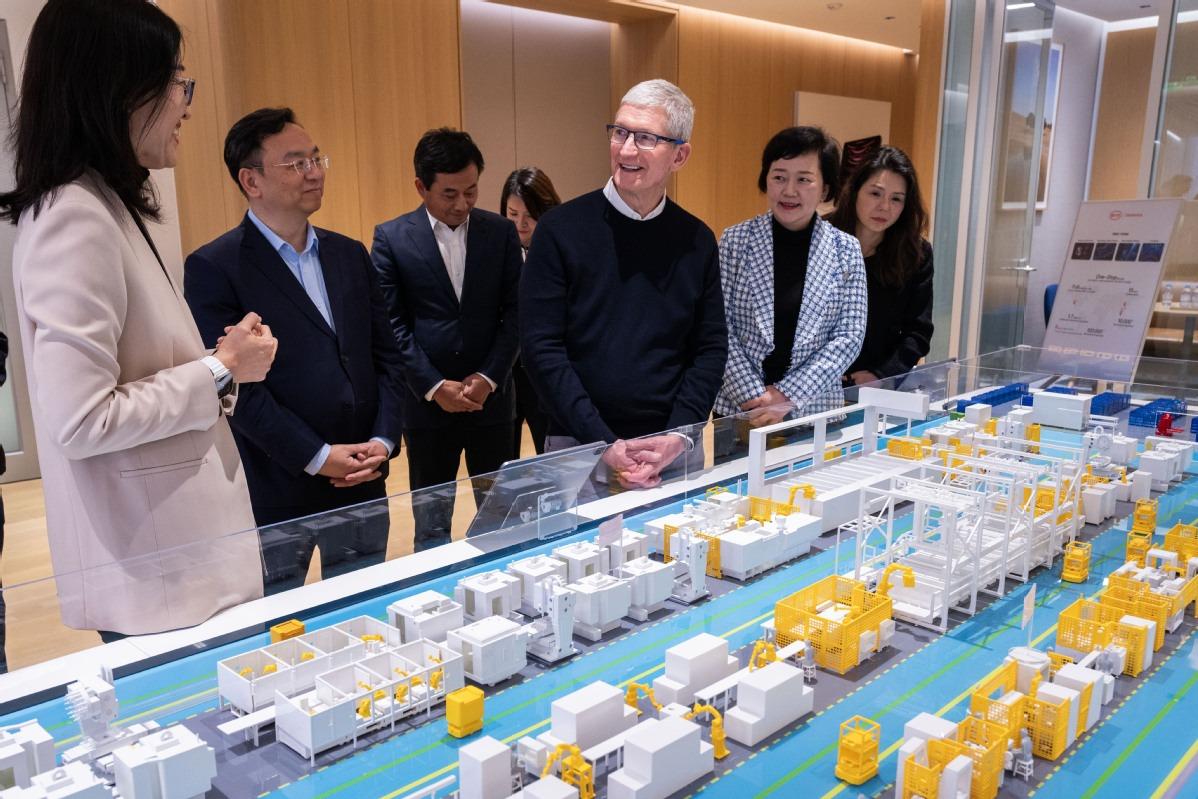
When Tim Cook steps down as Apple’s CEO on September 1st, the technology press will cover it as a leadership transition, but for the supply chain industry it is something more specific: a case study in what happens when 28 years of sourcing decisions, supplier relationships, and procurement logic are concentrated in one person, and that person leaves.
Cook did not join Apple in 1998 to build products; he joined to fix a supply chain that was, by most accounts, a liability. What followed was one of the most consequential runs of operational leadership in the history of manufacturing, as supplier networks were rationalized, component sourcing disciplined, manufacturing partnerships in Asia structured and scaled, and procurement logic refined across decades of product cycles. The machine Cook built is the reason Apple became the most valuable company on earth, and while the products received the credit, the supply chain made them possible.
Jeffery Ternus, who succeeds Cook, is a respected hardware engineer, but as Aaron Lober, manufacturing intelligence lead at supply chain platform developer CADDi, puts it: “Cook joined Apple in 1998 and inherited a supply chain that was, by most accounts, a liability. Every major sourcing decision, every supplier relationship, every procurement call made across 28 years, he was in the room for most of it, and very little of it lives in a system. Ternus is a brilliant hardware engineer, but he’s stepping into an organization where the outgoing CEO was the institutional memory.”
That is the succession challenge that does not make the headlines, not the strategy, not the culture, not the product roadmap, but the sourcing rationale, the supplier qualification logic, the procurement relationships held together by personal trust rather than contract, and the tolerance decisions that shaped component selection across product generations. None of that lives in a database; it lives in Tim Cook.
Apple is not unique in this regard, only unusually visible. Any manufacturer with long-tenured leadership is sitting on the same concentration risk, typically without knowing it until someone retires, gets recruited away, or simply stops showing up, and the institutional knowledge that underlies supplier qualification, engineering decisions, and component sourcing rarely gets documented in real time, accumulating in people and walking out the door with them.
Lober has spent his career helping manufacturers identify what they know, what is undocumented, and what is at risk when key people leave, and his read on the Apple situation is direct: “The companies that handle this well start building the infrastructure years before they need it. Design history, supplier rationale, engineering decisions, captured continuously, searchable by anyone, tied to no single person. Apple has a runway most organizations never get; September 1st is a deadline and an opportunity at the same time.”
The deadline framing matters because Apple has something most manufacturers in the same position do not: a known date, a public announcement, and enough institutional credibility to begin the knowledge transfer work systematically, whereas most succession risk in manufacturing arrives without that kind of notice, and the gap between what was documented and what was known only becomes visible after the person is gone.
The Cook transition will be watched closely as a leadership story, but for manufacturers thinking seriously about operational continuity, the more useful question is what Apple does between now and September 1st, and whether the sourcing logic, supplier relationships, and procurement history that Cook carried for nearly three decades ends up in a system or disappears with his departure.