
Only 1.4% of Carriers Can Handle Steel Freight, New Index Finds

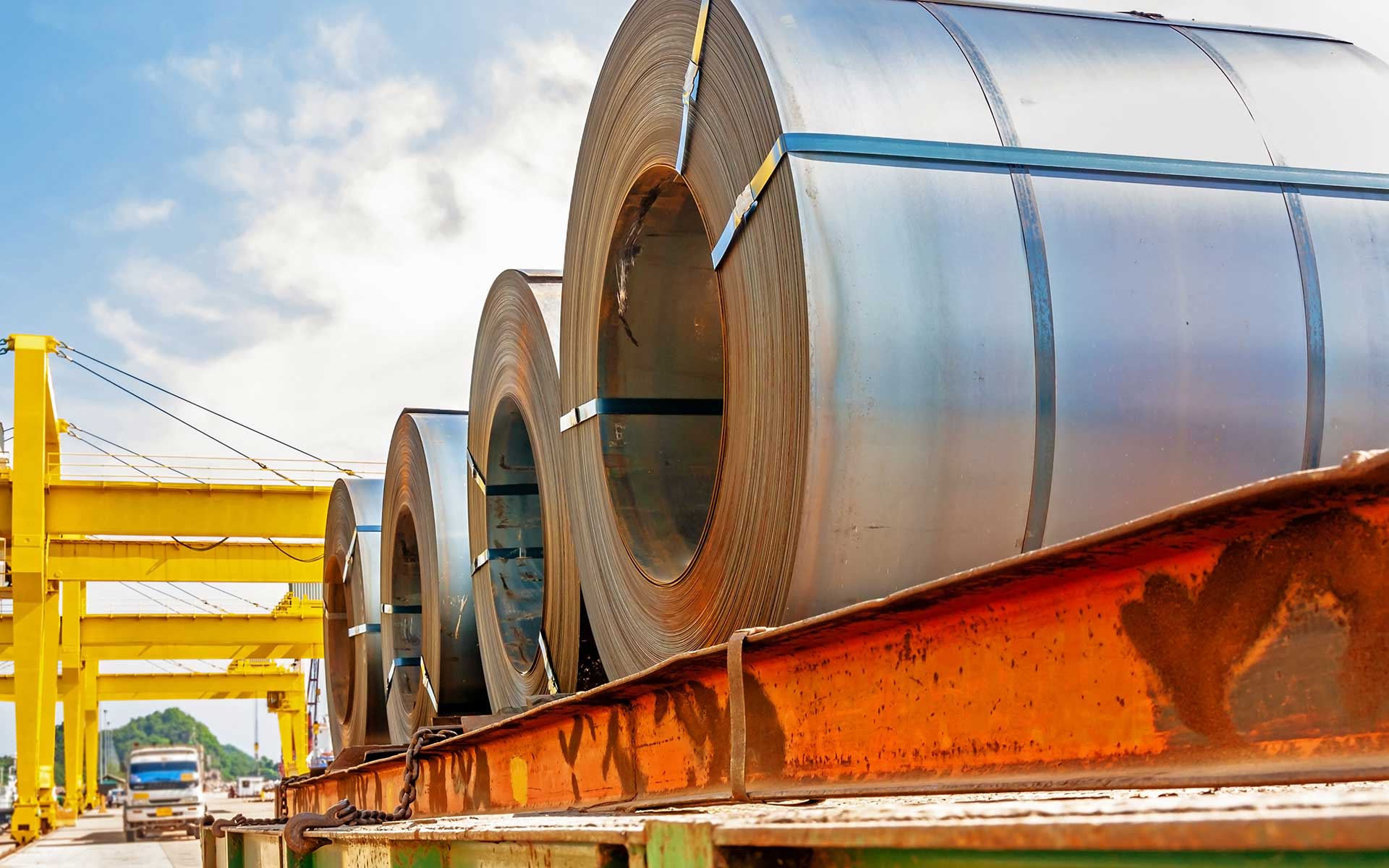
A new quarterly index from TA Services, a third-party logistics provider based in Mansfield, Texas, estimates that just 1.4% of FMCSA-registered motor carriers in the U.S. are actually equipped to handle specialized steel freight. Out of a universe of more than 2 million registered carriers, TA’s model puts the addressable pool at roughly 28,000.
The finding cuts against the usual capacity narrative. General trucking capacity, the report notes, remains available across most of the market. What’s scarce is capacity that’s actually qualified: carriers with the right open-deck equipment, cargo securement expertise, safety performance, and insurance profiles to move steel coil and other specialized loads without incident.
The index builds its estimate in layers, starting from the full FMCSA-registered carrier base and narrowing it by a series of filters: flatbed or open-deck equipment ownership, a mill-equivalent safety threshold, adequate cargo insurance, and demonstrated steel coil or open-deck experience. Each filter strips out a chunk of the field, and TA is upfront that the rates are directional estimates pulled from public FMCSA SAFER data and industry benchmarks rather than a verified count of carrier certifications.
The company frames the distinction as a matter of definitions catching up to reality: a carrier can show up as “available” in a load board search without carrying the equipment or experience to move steel safely and consistently.
The report ties the tightening qualified pool to demand that hasn’t let up. Infrastructure investment, automotive production, manufacturing activity, and ongoing data center construction are all named as sources of sustained pull on specialized transportation resources, and TA argues those sectors are increasingly drawing from the same narrow carrier base rather than separate ones.
TA says it moves more than 50,000 steel and metals shipments annually, with 92% of that volume handled by repeat carriers and an average carrier relationship spanning three years — a track record the company positions as insulation against the tightening it’s describing.
“Steel transportation conditions continue to reflect a market where execution matters more than ever,” said Scott Schell, President and CEO of TA Services, in the release. “The industry’s focus should not be whether trucks are available, but whether they’re backed by qualified carriers with the expertise to move specialized steel freight.”
Five considerations for the back half of 2026
The index lays out a short list of recommendations for steel shippers heading into Q3: plan transportation earlier as qualified capacity tightens, prioritize carriers with proven steel and open-deck experience, expect more scrutiny on compliance and securement standards, stay flexible as industrial projects compete for the same resources, and treat execution as the lever that protects production schedules, service levels, and margins.
The report also flags a shift in emissions-reporting expectations. In June, the Science Based Targets initiative released Version 2.0 of its Net-Zero Standard, moving the emphasis from setting climate targets to demonstrating measurable progress against them. More than 10,000 companies now hold SBTi-validated targets, according to the index, and a growing number are asking suppliers and transportation providers for verified emissions data.
“For steel producers and manufacturers, the implication is straightforward: emissions reporting is becoming a business requirement, not just a sustainability initiative,” said Randy Charles, Founder and Manager of Greenway Steel. “Organizations that establish credible emissions data capabilities today will be better positioned to meet evolving customer and procurement expectations.”
The full Q2 2026 TA Steel Transportation Index is available here.