
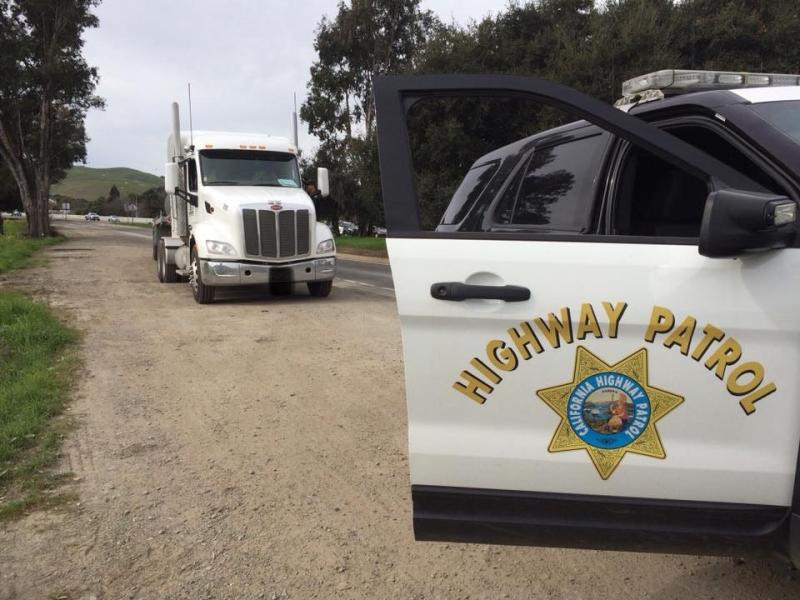
Ongoing Roadside Driver Checks Signal a Major Refocus on Compliance

On November 10, a US Court of Appeals for the District of Columbia Circuit issued an administrative stay on the FMCSA interim final rule tightening regulations on non-domiciled commercial licenses, citing failure to follow proper process and lack of evidence. With this stay in place, all states are permitted to continue issuing and renewing CDLs to non-citizens — however, it appears an industry-wide change has already been set in motion. California announced that it will be cancelling 17,000 commercial licenses for failing to comply with pre-existing regulations, while Nevada plans to permanently phase out non-domiciled and limited-term licenses. Private sector freight technology platforms are implementing screening tools for non-domiciled license holders, emphasizing the need for more thorough verification and risk mitigation.
“These changes in license issuance, carrier vetting, and ongoing roadside driver checks signal a major refocus on compliance,” stated Josh Allen*, Chief Commercial Officer at ITS Logistics. “The federal government has made it clear that it intends to hold carriers and shippers accountable for hiring unqualified drivers, increasing the need for more stringent review of who is moving freight.”
*Allen’s commentary comes from the November ITS Logistics’ Supply Chain Market Update.
In October, U.S. Transportation Secretary Sean Duffy announced that 7,248 drivers have been sidelined as of October 2025. OTR Chief Operations Officer Grace Maher told FreightWaves that those numbers likely reflect citations, not actual out-of-service orders.
“These citations can be warnings. That difference is still very black and white,” she said. “If it was as rampant as everyone acts like, where are the pictures of the trucks on the road?”
Maher also said the national debate over English-language-proficiency (ELP) enforcement in trucking has veered away from a major issue: short-term immigrant drivers using non-domiciled CDLs who enter the market temporarily, accept bottom-barrel rates, and leave after accumulating cash.
“Drivers come in from out of the country for four months at a time… They run hard, they undercut rates, they don’t speak English very well, and then they go back home before coming back and doing it all over again,” Maher said.
“I don’t think anybody would disagree that we don’t want someone on the roads that doesn’t understand our signs, that isn’’t able to communicate. However, those drivers do exist.”
Maher added “American truckers cannot make a living if those carriers continue to take the freight because they just want to get loaded. When I say American truckers, I mean Hispanic-American, Asian-American, African-American. The diversity of American carriers is very broad.”